
From Aowin fried rice and royal funeral rites to the festivals of Cameroon, the Western North representative has turned every theme into a lesson in culture.
A plate of food can tell the story of how a community lives. Tiwaa proved it on Culinary Heritage Night, when she introduced viewers to Atuku, presented as Aowin Fried Rice, and to Apiti, a plantain dish that carried a practical lesson in making full use of ingredients and wasting nothing.
That curiosity about the meaning behind everyday traditions has become the thread running through her Ghana’s Most Beautiful 2026 journey. Representing Western North, she has moved from the kitchen to royal funeral rites, from Sefwi music to the landscapes of Cameroon. She does not skim the surface of a culture. She goes looking for the philosophy underneath it.
Now one of six finalists in the twentieth-anniversary edition, she carries Western North’s hopes of a first GMB crown to the National Theatre on October 18, 2026.
Food with a story to tell
The culinary showcase gave Tiwaa an inviting place to begin. She presented food traditions associated with Sefwi, Brosa, Suaman and Aowin, linking local ingredients to meals that communities have kept alive for generations.
Apiti, presented through a zero-waste approach, turned a familiar meal into a conversation about resourcefulness and the knowledge passed from one generation to the next. Tiwaa gave viewers a reason to look more closely at what is on the plate, and at the people behind it.
Royal mourning and the rhythms of Sefwi
On Traditional Celebrations Night she chose a far more solemn subject: the funeral and burial rites of an Omanhene, a paramount chief. Her presentation moved through concealed mourning, the Atram rites and the final rituals in Akura’s sacred forest.
It was a demanding theme for television. She showed how the passing of a ruler is also a moment in the life of a traditional institution, with community and succession standing beside grief, and she asked the audience to follow customs whose meaning reaches well beyond what can be seen on stage.
Music and Dance Night brought a different mood. Tiwaa explored Sefwi cultural expressions through royal Kete, sacred Abodan and Bosoe, a tradition that uses humour and song to encourage moral change. She also drew a line from those traditional rhythms to contemporary Highlife.
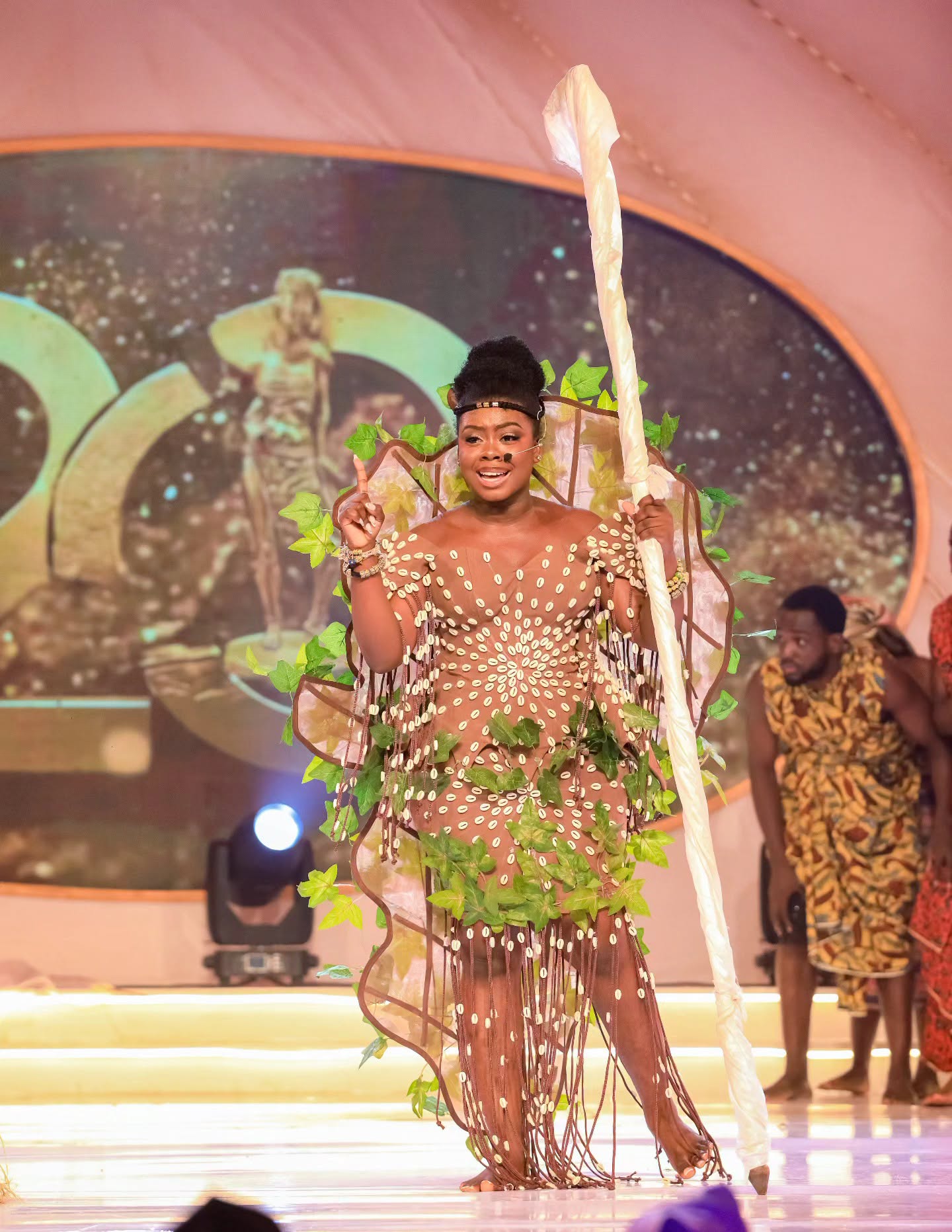
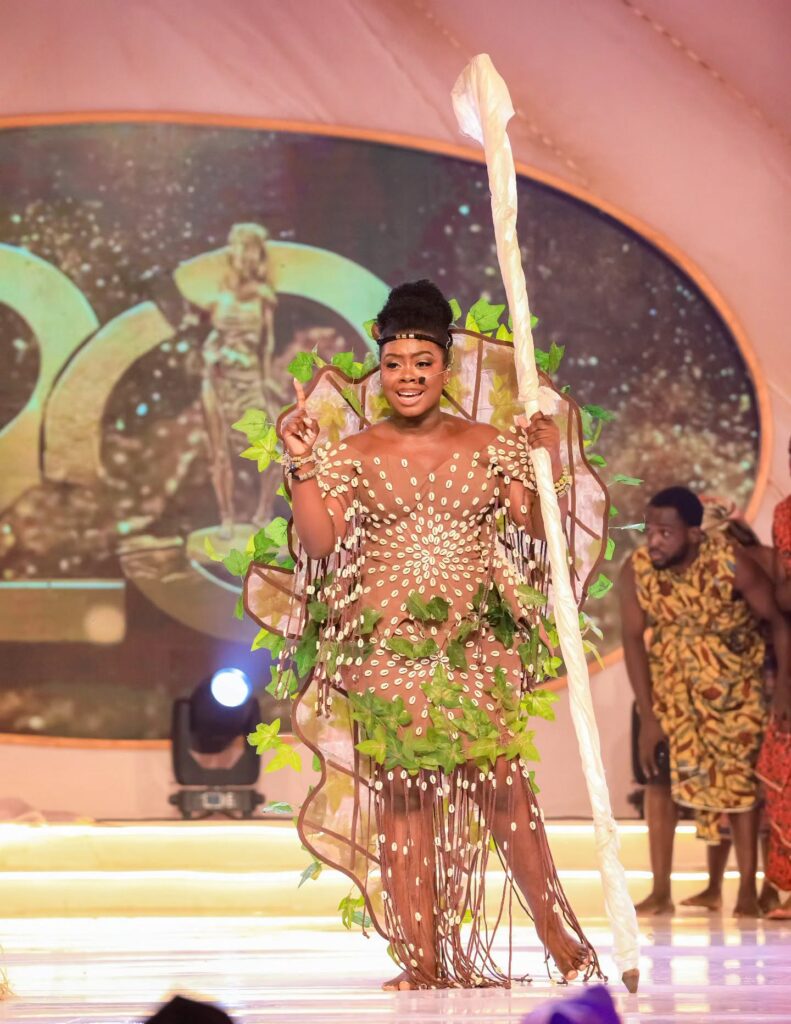
The September 6 performance earned her Best Costume, a visual win to match a season already rich in cultural storytelling.
Selling Western North, discovering Cameroon
When the competition turned to tourism on September 20, the task under “Destination Ghana” was to persuade. Each contestant had the chance to explain what her region offers visitors and what tourism could bring its communities. Tiwaa’s Western North pitch won her Most Eloquent.
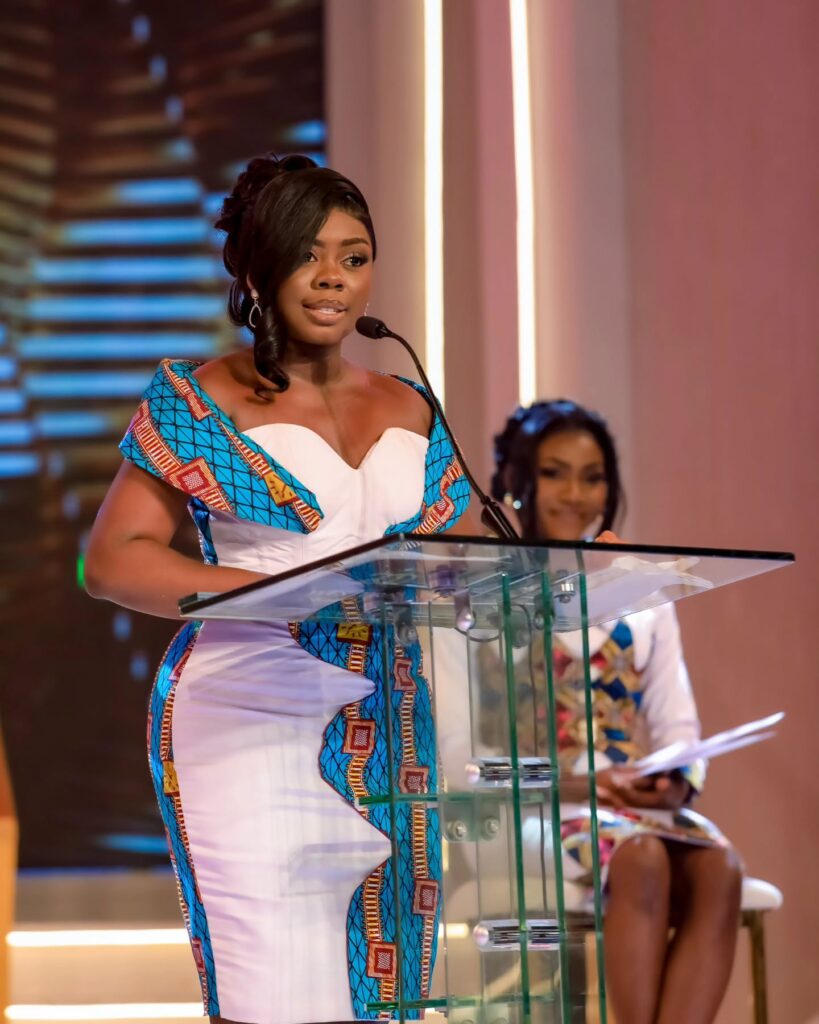
She painted the region as a place of rainforest, Bia National Park and a working resource economy: natural beauty and livelihoods side by side, and far more to explore than a name on the map.
On Heroes and Heroines of Our Land, she brought regional figures into focus, telling the stories of Nana Kwasi Bumangama and Nana Serwua of Awaso, remembered for courage, spiritual leadership and protecting their communities.
Then, on One Africa Night, she widened her lens to Cameroon. Her performance explored the country’s diversity through the Ngondo Festival, Makossa and Bikutsi, alongside Mount Cameroon, Lobé Falls and Foumban Palace. Music, celebration and destinations came together to bring an unfamiliar place closer to home.
A first crown within reach
Western North was created in 2019 from the Western Region, so its administrative identity is young. The food, music and traditional institutions Tiwaa has presented belong to communities with far older histories, and her place in the final gives those stories national visibility.
A win would bring Western North its first GMB title. She will face the other five finalists at the National Theatre on October 18, 2026.
She arrives with a season that has made room for lively music, practical food knowledge and the solemn duties of traditional leadership. That range is a large part of her appeal.
Beyond the crown
Tiwaa is a student at Central University, Accra. If she wins, her project will focus on empowering young women in marginalised communities by promoting quality education, both formal and informal.
It is a cause that fits the philosophy of her campaign: culture, knowledge and opportunity, handed on to the next generation.
For Western North supporters, October 18 offers the chance to see a contestant who has told their stories on the national stage return home with the crown.
By: Kwaku Duah Prempeh