
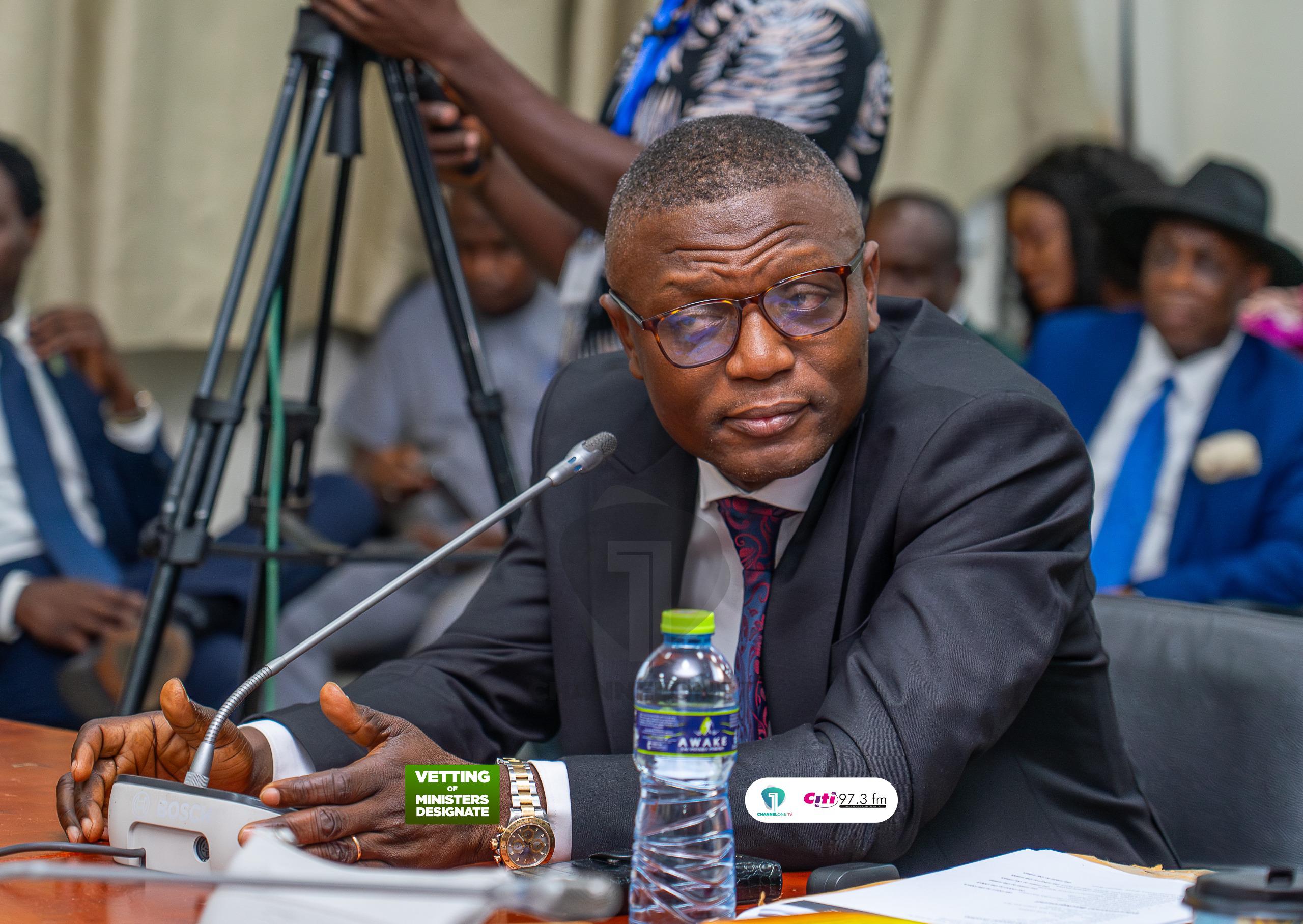
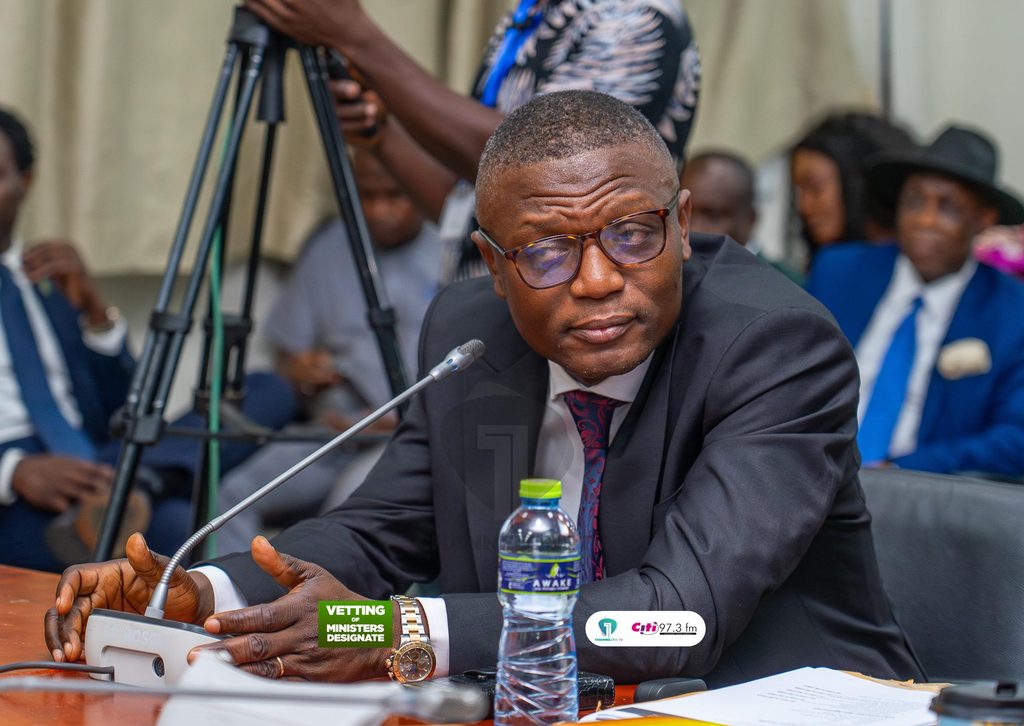
The Ministry of Sports and Recreation has rejected allegations by the Minority in Parliament over Ghana’s 2026 FIFA World Cup visa arrangements, insisting that claims linking Sports Minister Kofi Adams to alleged irregularities are not supported by the evidence presented publicly.
In a press conference statement, the Ministry challenged claims made by the Ranking Member of Parliament’s Youth and Sports Committee, Vincent Ekow Assafuah, and called for the matter to be assessed based on documentary evidence and established timelines.
The Ministry maintained that its role was to coordinate and transmit institutional requests, while the United States Embassy retained full authority to verify applicants and approve or refuse visas.
It said the disputed request originated from the National Sports Authority (NSA), which submitted a letter dated May 19, 2026, containing 90 names described as volunteers and event coordinators. The Ministry received the request on May 25 and forwarded it on May 28.
The Ministry also disputed claims linking four applicants whose employment status was questioned in March to the subsequent 90-name list, insisting that none of the four appeared on the May submission.
It further denied that evidence had been presented publicly showing that Mr Adams collected money from applicants, received commissions or personally benefited from the alleged arrangements.
Despite rejecting the allegations against the Minister, the Ministry said the Criminal Investigation Department (CID) was investigating aspects of the matter and pledged its full cooperation.
It also announced plans to conduct an internal review of its World Cup visa records to establish the origins of submitted lists, visa outcomes and any complaints involving payments.
The Ministry acknowledged reports of financial losses suffered by some prospective travelers and urged affected persons to provide receipts, bank records, mobile money statements and other evidence to investigators.
It stressed that anyone found culpable must face the law, adding that accountability should be based on evidence rather than assumptions.
By: Emmanuel Opoku – Journalist