
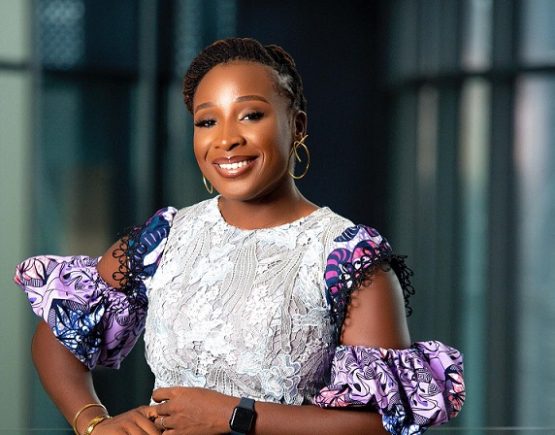
From the screen to the streets of Teshie, the actress, broadcaster, fitness enthusiast, and entrepreneur continues to use her influence to celebrate the culture that shaped her.
For many Ghanaians, Naa Ashorkor is a familiar face.
Over the years, Naa Ashokor has built a reputation as a television and radio presenter, actress and theatre practitioner, while also developing her own creative enterprise. Through April Communications, she has been involved in storytelling projects and theatre productions, including work that uses the arts to explore social issues.
Her own description of April Communications is revealing. She established the company partly as a vehicle to tell important stories about African women and to pursue theatre.
The zeal to use entertainment to tell stories that matter also provides an interesting lens through which to view her cultural advocacy.
Beyond the cameras and the bright lights is another identity that has become increasingly visible: Naa Ashorkor, the Teshie girl and advocate for Ga culture.
This is important because cultural preservation today does not happen only in traditional spaces. It also happens on television screens, radio programmes, social media feeds and digital platforms.
The 2026 Teshie Homowo celebrations officially climaxed on Saturday, September 5, with the Kpaashimor, bringing weeks of traditional rites, cultural activities and community celebrations to a close.
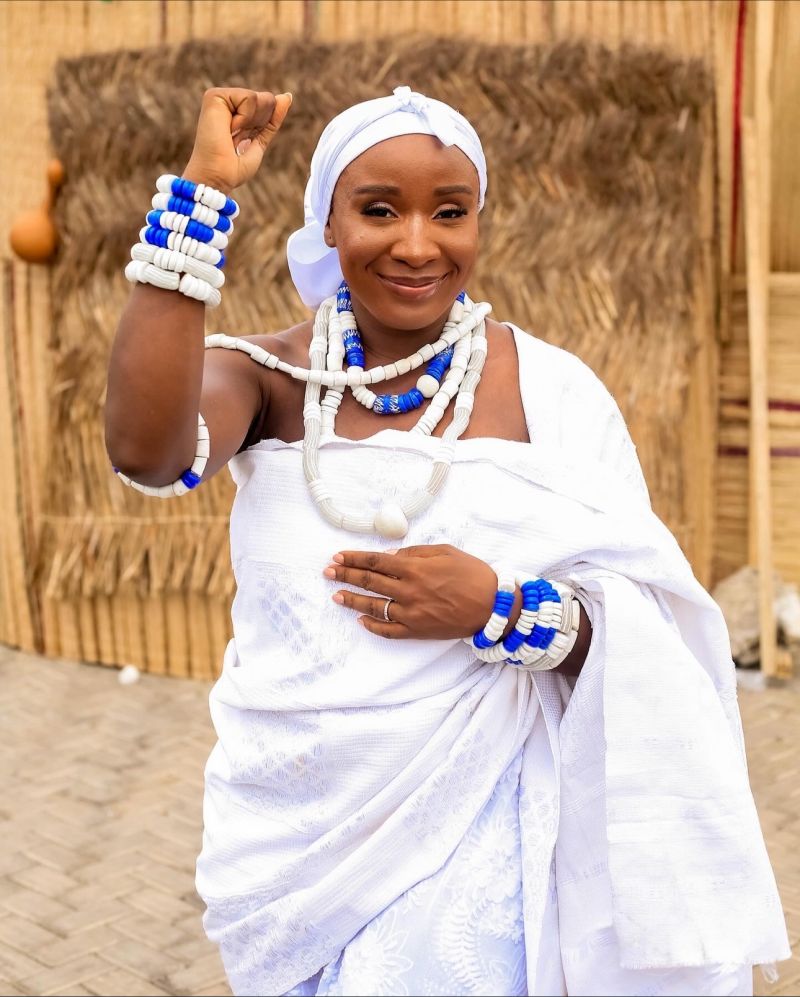
Ashorkor’s involvement was particularly significant because her connection to Teshie is personal. Her engagement with Homowo was more than the appearance of a celebrity at a traditional festival. It was a return to a place and culture that has formed part of her identity.
Her engagement with Homowo has included publicly sharing aspects of Ga tradition and encouraging audiences to understand the meaning behind the celebration.
She has, for example, documented her experience learning to prepare kpokpoi, while explaining the significance of Homowo and its connection to the Ga people’s history and resilience.
A familiar public figure explaining why a traditional food matters, participating in cultural activities or speaking about her heritage can make those traditions more accessible to audiences who may otherwise experience Homowo only as colourful street celebrations.
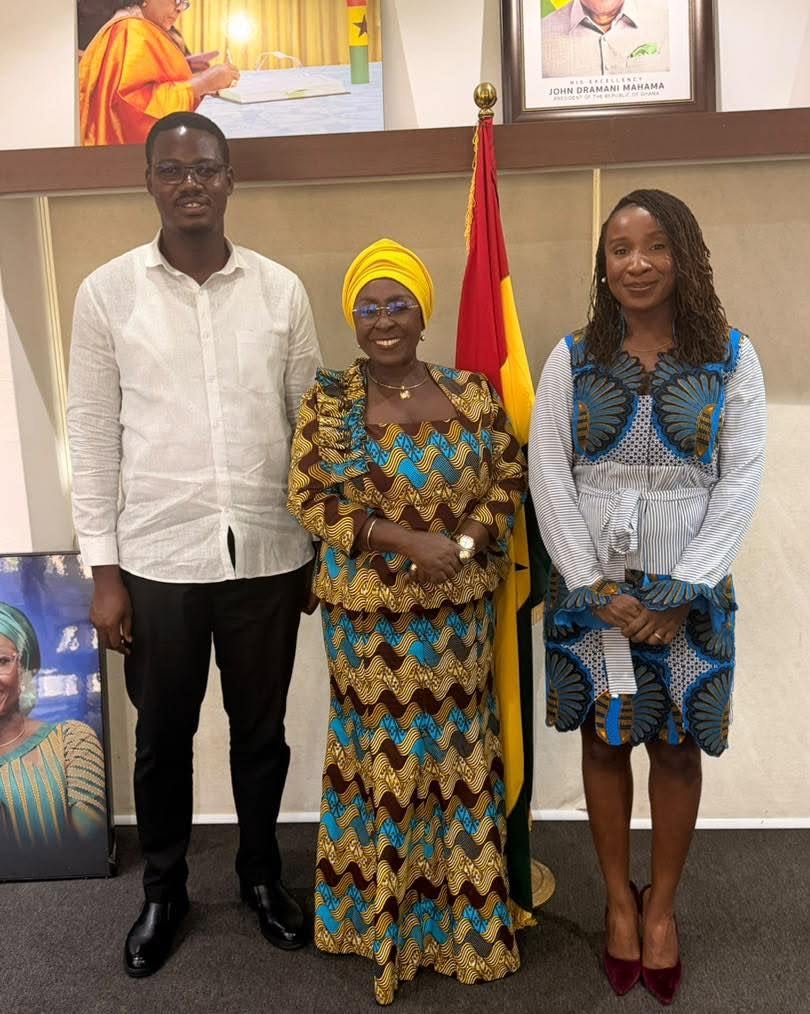
Ahead of this year’s festival, Ashorkor joined the Assemblyman for Teshie Tsuibleoo Central, Hon. Rees Nii Armah Quaye, in a visit to the Minister for Tourism, Culture and Creative Arts, Hon. Abla Dzifa Gomashie, as part of preparations for Teshie Homowo 2026. The engagement reflected the broader effort to strengthen the festival’s visibility and connect the community’s celebration with national cultural institutions.
It was a fitting role for someone whose professional life has been built around communication.
Ashorkor understands audiences. She understands storytelling and the power of a public platform.
Those qualities give her a unique ability to help bridge the traditional and contemporary worlds.
The 2026 Teshie Homowo Festival was ultimately about community, heritage, remembrance and celebration. It was also a festival that placed particular emphasis on peace and unity following the challenges of the previous year’s celebrations.
For Ashorkor, however, the significance goes deeper.
She did not need to travel to Teshie to discover a culture to promote.
She came from it.
Her journey from Teshie to the national entertainment stage has given her a powerful platform. What makes her story compelling now is how she is increasingly using that platform to look back and celebrate her roots, educate audiences and help keep the stories of her people visible.
The cameras may follow Naa Ashorkor wherever her career takes her but during Homowo, the spotlight comes home and the home will always be Teshie.
Written by Kwaku Duah Prempeh